


Where Our Solutions Make a Difference
Our Customers



Good patient care begins with the medical history
Process-relevant patient data is made available to all stakeholders in a structured format, enabling optimal, patient-specific treatment and care planning. This facilitates discharge management and improves the quality of care. At the same time, they reduce the workload on medical and nursing staff, leaving more time for treatment and communication with patients.

Optimized processes facilitate the exchange of information
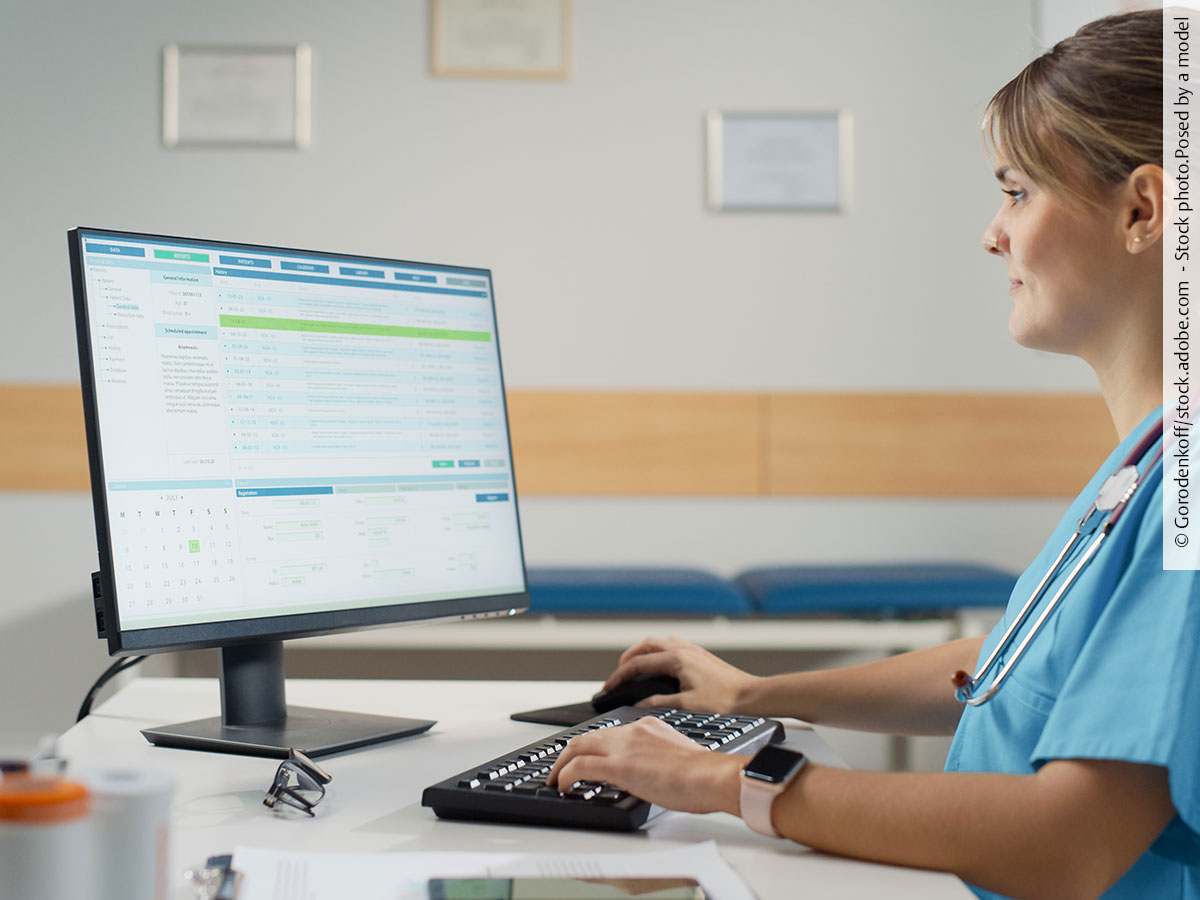
Digital processes not only make workflows safer and more efficient, but also improve communication. The exchange of medical, administrative, and organizational information reduces the workload on staff, improves the quality of care, and provides peace of mind.
In the end, what matters most is communication with patients

Frequently Asked Questions and Answers
Our entire range of informed consent materials, including all available foreign-language versions, is available digitally through our E-ConsentPro software. You can also order the informed consent forms as printed copies from our online store; however, some of them are only available as special print runs.
Yes. The E-ConsentPro software provides digital access to all Thieme Compliance informed consent forms in up to 17 languages.
Due to multiple security measures, a digitally signed information sheet has the same evidentiary value as handwritten documentation.
We would be happy to explain our procedures in more detail. Please feel free to contact us.
Information on recommended devices for electronic signatures can be found in the system requirements for E-ConsentPro.
Efficient processes not only improve the quality of care but also provide hospitals with measurable economic benefits. End-to-end digital workflows – such as those using E‑ConsentPro – enable admission, medical history collection, and informed consent to take place even before the patient’s hospital stay, allowing patients to enter their data from home. This reduces staffing requirements, shortens admission times, and ensures better utilization of existing resources.
Patients experience a more structured and pleasant check-in process, while staff benefit from less paperwork, fewer errors, and more efficient processes. This also leaves more time for personalized care.
Patients experience a more structured and pleasant check-in process, while staff benefit from less paperwork, fewer errors, and more efficient processes. In addition, there is more time for personalized support.
Patients experience a more structured and pleasant check-in process, while staff benefit from less paperwork, fewer errors, and more efficient processes. This also leaves more time for personalized care.